

English Texts A2-B1 | Pack 2

English Texts A2-B1

Everyday reading practice with short tests :
text + vocabulary + grammar/vocabulary tasks + comprehension questions

Pack 2: texts 11–20
Breakfast habits

Text 11 — Breakfast Habits

Level: A2

Breakfast is an important meal in my family, but everyone eats something different. My father likes eggs and toast because he says they give him energy for the whole morning. My mother usually has yogurt, fruit, and tea because she prefers a light breakfast. I often eat cereal with milk, but on cold days I make porridge. My younger sister doesn't like eating early, so she usually has only a banana before school. Then she takes a sandwich with her and eats it during the first break. At the weekend, breakfast is slower and more relaxed. We sometimes make pancakes or fresh orange juice, and we sit together in the kitchen for a long time. For me, breakfast is not only about food. It's also a quiet moment before the busy day begins.

Vocabulary

  1. to prefer a light breakfast — предпочитать лёгкий завтрак
  2. to give energy for the morning — давать энергию на утро
  3. to eat early — есть рано
  4. to make porridge — варить кашу
  5. the first break — первая перемена
  6. to sit together in the kitchen — сидеть вместе на кухне
  7. a quiet moment — тихий момент
  8. a busy day — насыщенный день

Exercise 1 — True or False

1.Everyone in the family eats the same breakfast.
2.The father likes eggs and toast.
3.The mother prefers a heavy breakfast.
4.The younger sister eats a sandwich during the first break.
5.Weekend breakfast is slower and more relaxed.

Exercise 2 — Answer the questions

  1. Why does the father like eggs and toast?
  2. What does the person eat on cold days?
  3. Why is breakfast important for the person — not just as food?
  4. What does the family sometimes make at the weekend?
Evening routine

Text 12 — Evening Routine

Level: A2–B1

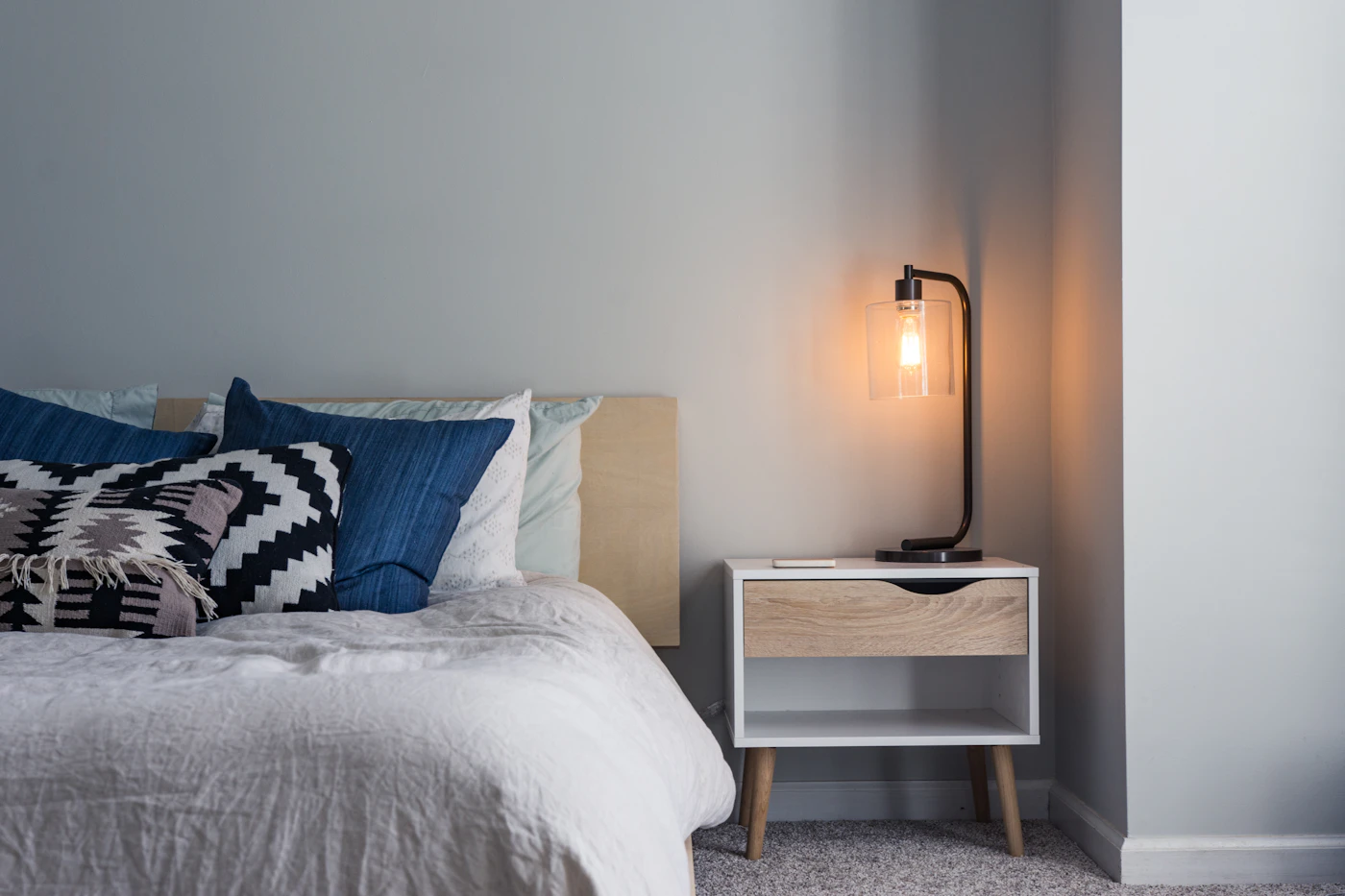
My evening routine is simple, but it helps me feel calm after a busy day. I usually get home at about 6:30. First, I change my clothes and wash my hands. Then I make tea or heat up dinner if I'm hungry. After eating, I spend some time on small jobs at home, like washing the dishes or getting my clothes ready for the next day. Later, I sit on the sofa and read, watch a series, or talk to my family. I try not to spend too much time on my phone at night because it makes it harder to sleep. Before bed, I open the window for a few minutes, brush my teeth, and check my alarm. When I follow this routine, I sleep better and feel ready for the next morning.

Vocabulary

  1. an evening routine — вечерний распорядок
  2. to feel calm — чувствовать себя спокойно
  3. to heat up dinner — разогреть ужин
  4. to get clothes ready for the next day — подготовить одежду на следующий день
  5. to make it harder to sleep — мешать засыпать
  6. to check the alarm — проверить будильник
  7. to follow a routine — придерживаться распорядка
  8. to feel ready for the next morning — чувствовать себя готовым к следующему утру

Exercise 1 — Complete the sentences

calm alarm harder routine ready
1. My evening routine helps me feel after a busy day.
2. Too much phone time at night makes it to sleep.
3. Before bed, I check my .
4. When I follow this , I sleep better.
5. I feel for the next morning.

Exercise 2 — Answer the questions

  1. What small jobs does the person do after eating?
  2. Why do they try not to use their phone at night?
  3. What three things do they do just before bed?
  4. How does following this routine help them?
Getting ready

Text 13 — Getting Ready for Work or School

Level: A2–B1

Getting ready in the morning takes time, especially when the day starts early. I usually begin by checking the weather, because that helps me choose the right clothes. If it's cold, I wear a sweater and a warm jacket. If it's sunny, I choose something lighter. Then I pack my bag. I make sure I have my phone, keys, wallet, notebook, and a bottle of water. Sometimes I prepare my bag the night before, and that makes the morning much easier. Before leaving, I look around the room to check that I haven't forgotten anything important. My mother always says that being organised in the morning makes the rest of the day better. I think she's right, because when I leave home calmly, I feel less stressed later.

Vocabulary

  1. to get ready in the morning — собираться утром
  2. to check the weather — проверять погоду
  3. to choose the right clothes — выбирать подходящую одежду
  4. to pack a bag — собирать сумку
  5. to prepare the bag the night before — готовить сумку накануне вечером
  6. to forget something important — забыть что-то важное
  7. to be organised — быть организованным
  8. to feel less stressed — чувствовать себя менее напряжённым

Exercise 1 — True or False

1.The person starts by checking the weather.
2.If it's sunny, they wear a sweater and a warm jacket.
3.They always prepare their bag in the morning.
4.Before leaving, they check they haven't forgotten anything.
5.Leaving home calmly helps the person feel less stressed later.

Exercise 2 — Choose the correct answer

1. The person checks the weather to...
a) decide what to eat
b) choose the right clothes
c) plan the weekend
2. They make sure they have their phone, keys, wallet, notebook and...
a) an umbrella
b) a bottle of water
c) a snack
3. Preparing the bag the night before makes the morning...
a) longer
b) much easier
c) more stressful
4. The person's mother says that being organised in the morning...
a) saves money
b) makes the rest of the day better
c) is not important
Busy Monday

Text 14 — A Busy Monday

Level: B1

Monday is always the busiest day of the week. I have to wake up early, answer several messages, and get to work on time. As soon as I arrive, I usually have a meeting with my team. After that, I check my email and make a list of tasks for the day. On Mondays, there are often new problems to solve because people want to finish things quickly after the weekend. At lunchtime, I try to take a real break, but sometimes I'm too busy and only eat a sandwich at my desk. In the afternoon, the office becomes quieter, and that's when I can finally focus on important work. By the evening, I feel satisfied if I've done everything I planned. A good Monday often means a better week.

Vocabulary

  1. the busiest day of the week — самый загруженный день недели
  2. to get to work on time — добраться до работы вовремя
  3. to make a list of tasks — составлять список задач
  4. to take a real break — сделать полноценный перерыв
  5. the office becomes quieter — офис становится тише
  6. to focus on important work — сосредоточиться на важной работе
  7. to feel satisfied — чувствовать себя удовлетворённым
  8. to finish everything planned — выполнить всё запланированное

Exercise 1 — True or False

1.Monday is the writer's easiest day.
2.The writer has a team meeting in the morning.
3.The writer always has a long lunch break.
4.The office is quieter in the afternoon.
5.A good Monday helps the whole week.

Exercise 2 — Answer the questions

  1. What does the person do as soon as they arrive at work?
  2. Why are there often new problems to solve on Mondays?
  3. When can the person finally focus on important work?
  4. What does a good Monday mean for the rest of the week?
Relaxing Sunday

Text 15 — A Relaxing Sunday

Level: A2

Sunday is my favorite day because I can slow down and rest. I don't set an alarm, so I wake up naturally. After breakfast, I usually read or listen to music for a while. If the weather is nice, I go for a walk in the park or meet a friend for coffee. On rainy Sundays, I stay at home, watch films, and cook something simple. I also like to spend a little time planning the new week. I check my calendar, think about my tasks, and get my clothes ready for Monday. This helps me feel more prepared and less nervous. Sunday evenings are quiet in my house. Everyone is calmer, and there's no need to hurry. For me, a relaxing Sunday is the best way to finish the week.

Vocabulary

  1. to slow down and rest — замедлиться и отдохнуть
  2. to set an alarm — ставить будильник
  3. rainy Sundays — дождливые воскресенья
  4. to plan the new week — планировать новую неделю
  5. to check the calendar — проверять календарь
  6. to feel more prepared — чувствовать себя подготовленным
  7. there's no need to hurry — нет необходимости торопиться
  8. to wake up naturally — просыпаться естественно

Exercise 1 — Choose the correct answer

1. On Sunday mornings, the person wakes up...
a) at 7:00
b) naturally, without an alarm
c) very early
2. On rainy Sundays, the person stays at home and...
a) cleans the apartment
b) watches films and cooks
c) calls friends
3. To feel more prepared for Monday, the person...
a) reads work emails
b) checks the calendar and gets clothes ready
c) goes to the gym
4. For the person, a relaxing Sunday is...
a) the best way to start the week
b) the best way to finish the week
c) just like any other day

Exercise 2 — Answer the questions

  1. Why does the person like Sundays?
  2. What does the person do on rainy Sundays?
  3. Why does the person plan the week on Sunday?
  4. How do Sunday evenings feel at their house?
Housework

Text 16 — Housework During the Week

Level: A2–B1

During the week, I don't have time for big cleaning, but I still try to do a little housework every day. On Monday, I usually wash the dishes and clean the kitchen after dinner. On Tuesday, I tidy the living room and put things back in their place. On Wednesday, I often vacuum the floor because it gets dusty quickly. Thursday is a good day for changing towels and doing small jobs in the bathroom. On Friday, I try to finish all the little tasks I didn't do earlier. This system works well because the apartment never becomes too messy. It's easier to spend ten or fifteen minutes a day on housework than to clean everything for hours at the weekend. Small routines really do make daily life simpler.

Vocabulary

  1. to do housework — заниматься домашними делами
  2. to tidy the living room — убирать в гостиной
  3. to vacuum the floor — пылесосить пол
  4. to get dusty — покрываться пылью
  5. to change towels — менять полотенца
  6. the apartment never becomes too messy — квартира никогда не становится слишком грязной
  7. small routines — небольшие привычки
  8. to make daily life simpler — упрощать повседневную жизнь

Exercise 1 — Complete the sentences

dusty messy simpler towels system
1. I have a for doing a little housework every day.
2. On Wednesday, I vacuum the floor because it gets quickly.
3. Thursday is a good day for changing in the bathroom.
4. The apartment never becomes too with this approach.
5. Small routines make daily life .

Exercise 2 — Answer the questions

  1. Why doesn't the person do big cleaning during the week?
  2. What do they do on Tuesdays?
  3. What do they try to finish on Fridays?
  4. Why is it better to spend ten minutes a day than to clean for hours at the weekend?
Laundry

Text 17 — Doing the Laundry

Level: A2

I usually do the laundry twice a week, on Wednesday and Saturday. First, I separate clothes — white, dark, and sports. Then I check the label, because some things need a lower temperature. If I'm in a hurry, I choose a short washing programme. While the machine is working, I often do something else, like tidying my room or preparing food. After washing, I hang the clothes on a drying rack near the window. In summer, they dry quickly, but in winter it takes much longer. When everything is dry, I fold the clothes and put them away. I don't really enjoy doing the laundry, but I like the feeling of having clean clothes ready for the week.

Vocabulary

  1. to do the laundry — стирать бельё
  2. to separate clothes — сортировать одежду
  3. to check the label — проверять ярлык
  4. a lower temperature — более низкая температура
  5. a short washing programme — короткая программа стирки
  6. a drying rack — сушилка для белья
  7. to fold the clothes — складывать одежду
  8. to put clothes away — убирать одежду на место

Exercise 1 — Choose the correct answer

1. The person does the laundry...
a) every day
b) twice a week
c) once a month
2. They check the labels because...
a) they want to know the brand
b) some things need a lower temperature
c) the machine is old
3. In winter, clothes dry...
a) faster than in summer
b) much slower than in summer
c) at the same speed
4. When everything is dry, the person...
a) folds the clothes and puts them away
b) leaves the clothes on the rack
c) irons everything immediately

Exercise 2 — Answer the questions

  1. Why does the person separate clothes before washing?
  2. What does the person do while the machine is working?
  3. Where do they hang the clothes after washing?
  4. Why does the person like the result even if they don't enjoy the process?
Washing dishes

Text 18 — Washing Dishes After Dinner

Level: A2

After dinner, someone has to wash the dishes, and in my home we try to share this job fairly. If my mother cooks, I usually wash the plates and pans. My brother dries them and puts them back in the cupboards. We try to do it right after dinner because it's easier when the food hasn't dried on the plates yet. If we wait too long, the job becomes much harder. Sometimes we talk while washing the dishes, and then it feels less boring. On busy days, we use the dishwasher, but we still wash some things by hand. It's a small job, but it really helps keep the kitchen clean and pleasant. A tidy kitchen after dinner makes the whole evening feel better.

Vocabulary

  1. to share a job fairly — справедливо делить обязанность
  2. to wash plates and pans — мыть тарелки и сковородки
  3. to put things back in the cupboards — убирать вещи обратно в шкафы
  4. food dried on the plates — засохшая еда на тарелках
  5. to feel less boring — казаться менее скучным
  6. the dishwasher — посудомоечная машина
  7. to wash by hand — мыть вручную
  8. a tidy kitchen — чистая кухня

Exercise 1 — True or False

1.Only one person always washes the dishes.
2.The person usually washes the dishes if the mother cooks.
3.It is easier to wash dishes much later.
4.Sometimes they use a dishwasher on busy days.
5.A clean kitchen improves the whole evening.

Exercise 2 — Answer the questions

  1. How do they share the job of washing dishes?
  2. Why do they try to wash the dishes right after dinner?
  3. What makes the job feel less boring?
  4. Why does a tidy kitchen make the evening feel better?
Tidying room

Text 19 — Making the Bed and Tidying the Room

Level: A2–B1

Every morning, I make my bed before I leave the room. It only takes a few minutes, but it changes the way the whole room looks. After that, I open the curtains, put any clothes back in the wardrobe, and check if my desk is tidy. During the week, books, papers, and chargers often end up on the desk, so I try to put everything in order. A tidy room helps me think better and feel less stressed. When my room is messy, I can't relax properly because I keep noticing all the things I need to do. My mother always says that small daily habits are better than one big cleaning day. I agree with her, because keeping things tidy little by little is much easier.

Vocabulary

  1. to make the bed — застилать кровать
  2. to open the curtains — открывать шторы
  3. to put clothes back in the wardrobe — убирать одежду в шкаф
  4. to put everything in order — приводить всё в порядок
  5. small daily habits — небольшие ежедневные привычки
  6. to keep things tidy — поддерживать порядок
  7. to relax properly — нормально расслабиться
  8. little by little — постепенно, понемногу

Exercise 1 — Complete the sentences

wardrobe stressed habits relax order
1. I put any clothes back in the .
2. I try to put everything in .
3. A tidy room helps me feel less .
4. When the room is messy, I can't properly.
5. Small daily are better than one big cleaning day.

Exercise 2 — Answer the questions

  1. Why does making the bed matter even though it takes only a few minutes?
  2. What often ends up on the desk during the week?
  3. Why is it hard for the person to relax in a messy room?
  4. What does the person agree with their mother about?
Sharing chores

Text 20 — Sharing Chores at Home

Level: B1

In many families, housework becomes a problem when one person has to do too much. In our home, we try to share chores in a simple and fair way. My father usually takes care of repairs and heavy cleaning. My mother often cooks, but she doesn't do it alone every day. I help with the shopping, set the table, and tidy the kitchen. My brother takes out the rubbish and cleans the bathroom once a week. We're not perfect, and sometimes someone forgets their job, especially when the week is busy. Still, sharing chores makes a big difference. It saves time, reduces stress, and prevents arguments. I think children should help at home too, because chores teach responsibility. When everyone does a little, life at home becomes easier for everyone.

Vocabulary

  1. to share chores — делить домашние обязанности
  2. to take care of repairs — заниматься ремонтом
  3. heavy cleaning — генеральная уборка
  4. to take out the rubbish — выносить мусор
  5. to reduce stress — снижать стресс
  6. to prevent arguments — предотвращать ссоры
  7. to teach responsibility — воспитывать ответственность
  8. to make a big difference — иметь большое значение

Exercise 1 — Choose the correct answer

1. In this family, chores are shared in a...
a) simple and fair way
b) confusing way
c) secret way
2. The person helps with...
a) driving and painting
b) shopping, setting the table and tidying the kitchen
c) repairs and heavy cleaning
3. The brother cleans the bathroom...
a) every day
b) once a week
c) once a month
4. Sharing chores helps...
a) save money
b) save time, reduce stress and prevent arguments
c) finish homework faster

Exercise 2 — Answer the questions

  1. What problem can happen when one person does too much housework?
  2. What are the person's main chores at home?
  3. What happens sometimes when the week is busy?
  4. Why does the person think children should help at home?
English Texts A2-B1 — Pack 2 — Everyday Topics 11–20